

A question inspired by Agnes Callard’s work on aspiration.
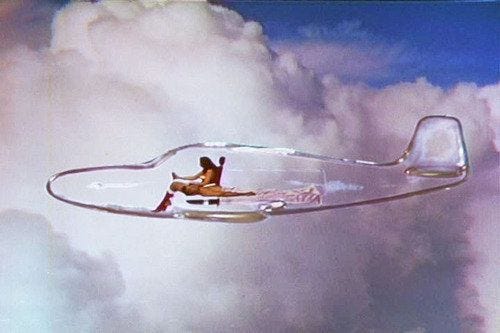
“The greatest thing in the world is to know how to belong to oneself.”
— Michel de Montaigne
I used to trust every minute I spent resting.
That is what I miss about my old drive. I could listen to myself, negotiate a present and a future, and feel that my dreams belonged somewhere between them. Every small action seemed to contribute to the same abundant source within me.
Working mattered. Trail running mattered. Resting mattered. I noticed beauty and wrote it down in my serendipity journal. Laughter came easily. I felt that security on my skin: the confidence that my life was going somewhere I wanted it to go.
When I decided to move away, I was looking for somewhere the most vulnerable version of me could stay, rest, and simply exist. I had my own fears and ego to contend with. I wanted room to open my heart without feeling small.
I spent twenty minutes trying to book a flight. The booking failed, but I was charged. I didn’t have the energy to deal with customer support, so I booked another flight somewhere I had been invited.
That brought me to Lyon, with the possibility of learning French and sailing.
I lived in Portugal without learning the language. French interests me in a way Portuguese never did. Sailing had barely entered my mind before someone suggested it.
In November, I’ll turn thirty-one. I can imagine a lovely explanation for all this: my sixty- or seventy-year-old self will be proud that I learned these things now.
I wish that had been my first thought.
Instead, I was calculating what else I could be doing with the time. Every French lesson, every sailing session, felt like an opportunity to make a video, find a client, get users, or raise money slipping away.
Without a consistent income, the early stages of building a company can make even something you enjoy feel difficult to justify.
And yet, on the boat, I felt absorbed in a way I recognized from painting.
There was very little wind. I was trying to move the small boat by rocking it, and a few minutes later, I found myself managing it better than I expected. It picked up speed. I was paying attention to the wind and responding to what I felt.
I love that kind of attention: becoming immersed in something, noticing what it asks of me, finding a response before I can fully explain it. That experience made me want to sail again.
In Aspiration, Agnes Callard describes a process of learning to value things we do not yet fully understand. We can participate in something while still learning why it matters to us.
That gives me a way to think about this small desire. I didn’t arrive with a dream of becoming a sailor. The experience itself gave me a reason to continue.
But enjoying something doesn’t settle what I can afford.
“life must be understood backwards … it must be lived forwards.”
— Søren Kierkegaard
When I asked myself what I would do with six months of financial security, my answer came surprisingly easily. I would stay in Lyon. Find a beautiful apartment. Learn French and sail. Keep making videos and building my startup.
I could picture an ordinary life there that I wanted.
Then I thought about San Francisco: being surrounded by people who build, meeting potential collaborators, having more conversations with people who might need what I’m creating. I want that, too.
If I could spend a similar amount of time there, would it give me a better chance of earning enough to keep choosing?
I don’t know yet. The opportunities I imagine still need to become actual people, conversations, and work. My family’s concerns about my plans also sit alongside my own desire to explore.
I wonder how many of us say we don’t know what we want when we can name several things quite clearly, but cannot see how to make them fit within the time and money we have.
I want ease. I want to make things. I want an income I can rely on. I want to learn a language because I like how it sounds, and spend time on the water because I like who I am while paying attention to it.
The uncertainty is in how these desires can live together.
“When a man does not know what harbour he is making for, no wind is the right wind.”
— Seneca
I understand the need for direction. But I had to get on the boat before I knew I wanted to sail again. The experience gave me a desire I hadn’t arrived with.
It also reminded me how it felt to trust my own attention—to believe that something I enjoyed could have a place in my life before I knew where it would lead.
I want to take that recognition seriously, alongside the practical work of supporting myself. I still need clients, an income, and somewhere to live. I also want room for experiences whose value I’m only beginning to understand.
How do I make room for the life I want while I’m still figuring out how to sustain it?

Such a thought provoking piece! Something I know I've dealt with in my own ways and I'm sure plenty others are as well!